



Tea industry exceeds 15 billion yuan in Wuyishan, SE China's Fujian
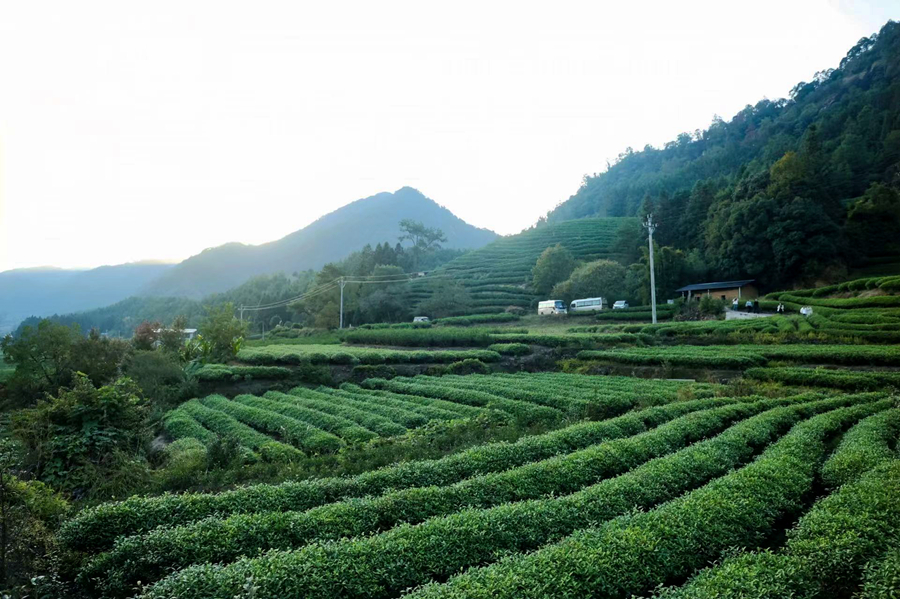
Photo shows a tea garden on Wuyi Mountain, Wiyushan city, southeast China's Fujian Province. (Photo courtesy of the Publicity Department of the Communist Party of China Wuyishan Municipal Committee)
In Wuyishan, a city in southeast China's Fujian Province, tea takes center stage, with tea shops lining the streets and offering a wide variety of brews. During exhibitions, traders from across the country gather to sample, showcase, and purchase tea.
Statistics show that Wuyishan city had around 148,000 mu (9,867 hectares) of tea gardens and more than 120,000 people were engaged in the tea industry in 2024. The value of the whole tea industry chain exceeded 15 billion yuan (about $2.11 billion).
"Compared with other tea-producing regions, Wuyishan generates exceptionally high production and output value despite having a modest planting area," said Liu Zhonghua, an academician of the Chinese Academy of Engineering and president of Hunan Normal University.
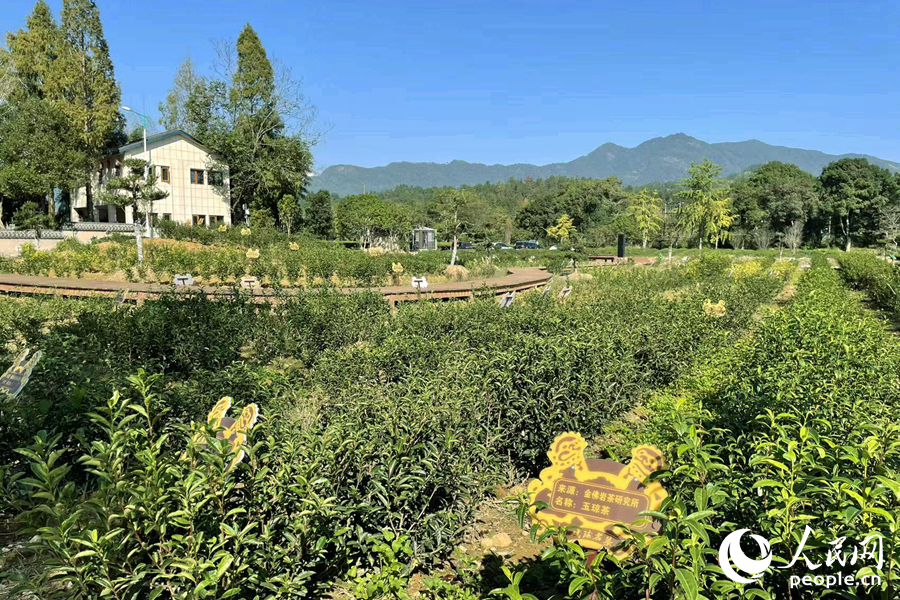
Tea gardens in Wuyishan have built close partnerships with universities and research institutes. (People's Daily Online/Lin Ying)
In 2018, the Agriculture and Rural Affairs Bureau of Nanping city, which administers Wuyishan, teamed up with Professor Liao Hong's team from Fujian Agriculture and Forestry University to launch the Yanzike ecological tea garden. The tea garden is completely free of pesticides and chemical fertilizers. Through green manure intercropping using soybeans in summer and rapeseed in winter, the new model has improved soil structure and increased yields.
Within the demonstration area, the new approach reduced fertilizer and pesticide use by more than 30 percent. In just three years, the share of premium-grade tea increased by about 80 percent, and purchase prices doubled. Its success quickly prompted widespread adoption among local tea farmers.
Wuyishan has also deeply integrated tea culture into tourism. The city has developed a range of tea-inspired tourism products, including tea-infused cuisine, tea-themed hotels, tea trails, tea tasting sessions, tea gift shops, and performances.
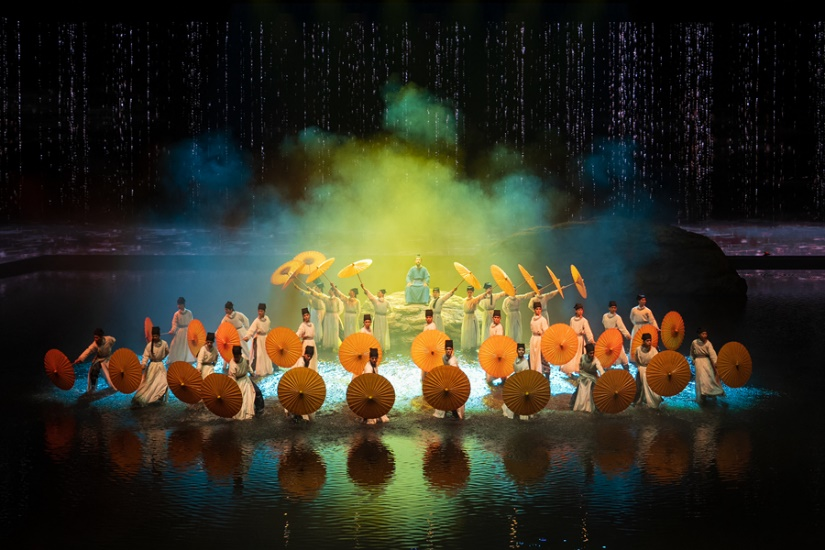
Photo shows a performance themed on tea culture in Wuyishan, southeast China's Fujian Province. (Photo courtesy of the organizer of the performance)
In 2024, Wuyi Rock Tea ranked as China's second most valuable tea-related regional brand for the eighth year in a row, with a brand value of 74.01 billion yuan on the country's geographic indication list of 100 top regional brands.
Since 2019, Wuyishan has strengthened market regulation. At the 13th Cross-Strait Tea Expo in 2019, the city launched a blockchain traceability platform, enabling every tea leaf to be verified for authenticity. This technology-based system builds consumer trust while protecting honest farmers and maintaining a healthy market.
The city has developed comprehensive industry standards covering cultivation, processing, and evaluation, ensuring consistent quality and scalable production through standardization.
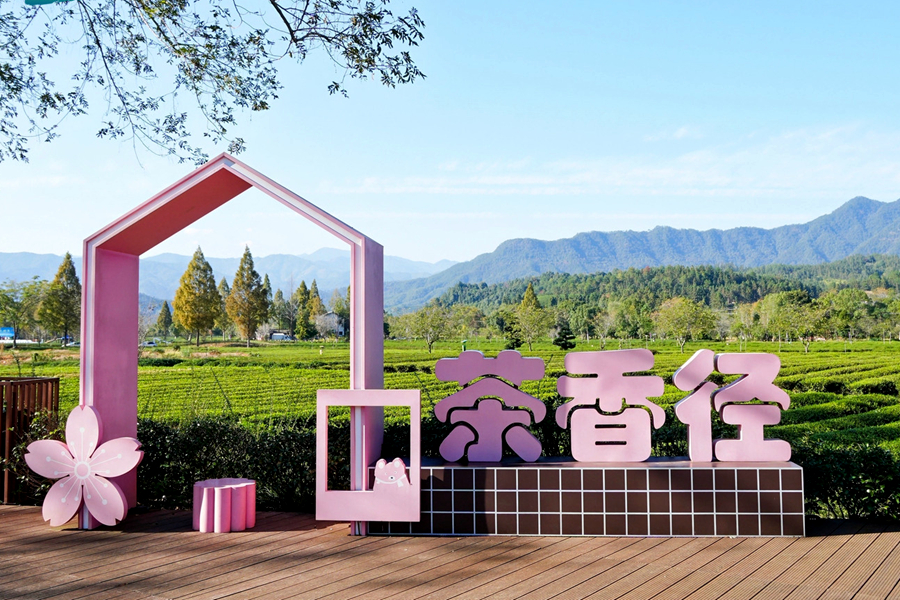
The photo shows a tea culture project under construction in Wuyishan, southeast China's Fujian Province. (Photo courtesy of the Publicity Department of the Communist Party of China Wuyishan Municipal Committee)
Photos
 Xishuangbanna in SW China's Yunnan builds distinctive modern agricultural system
 Int'l delegation explores organic tea culture in Baisha, S China's Hainan
 Chamber Concert of Chinese Classical Music held at China Cultural Center in Kuwait
 27th Harbin Ice-Snow World to officially begin construction in NE China
Related Stories
- Tea expo in Prague highlights cultural exchanges with China
- Increasingly versatile matcha boosts incomes for 110,000 tea farmers in Tongren, SW China's Guizhou
- China's new-style tea beverages turn daily drinking into cultural expressions
- Tea gardens in C China's Hubei bloom into tourist destinations
- E China's village boosts coordinated development of tea industry and tourist service
- China's bubble tea boom brews rural growth, international presence
- Chinese green pest control technologies benefit overseas tea plantations
- The 3rd Cambridge International Tea Culture Festival in celebration of the UN International Day for Dialogue Among Civilizations
- Trending in China | Anhua dark tea: Taste through time
- Tea-themed cultural salon held in Cairo, Egypt
Copyright © 2025 People's Daily Online. All Rights Reserved.
 手机在线观看日韩av